
Sean Strickland vs Khamzat Chimaev: Breaking Down Chimaev’s Fighting Style Ahead of UFC 328

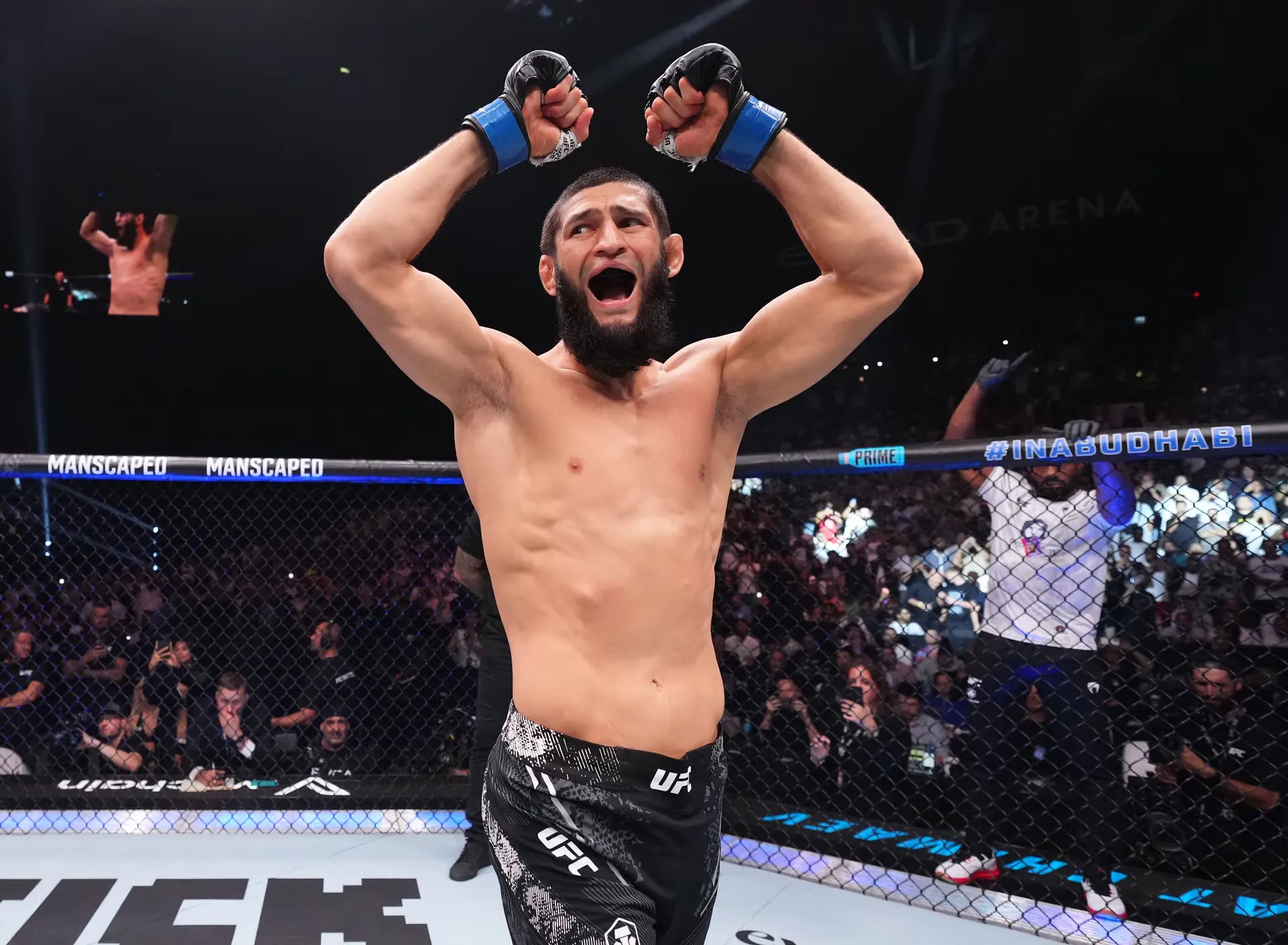
Khamzat Chimaev defends the UFC middleweight title against Sean Strickland at UFC 328 in Newark. Here’s a breakdown of Chimaev’s fighting style, pressure game, wrestling background, and why he presents such a difficult matchup for Strickland.
Sean Strickland vs Khamzat Chimaev sells itself on personality, but the real story sits in the stylistic clash and the fighting culture behind it.
The UFC has officially booked Chimaev to defend the middleweight title against Strickland at UFC 328 in Newark on May 9, 2026. It sets up one of the most compelling middleweight title fights in recent years, not just because of who is involved, but because of how their styles collide.
Chimaev brings a system that still makes elite middleweights uncomfortable, and a lot of that comes from the fighting culture tied to Chechnya.
Despite the shorthand, “Chechen MMA” is not one thing. It is a stack of disciplines. Freestyle wrestling is the base, but it sits alongside sambo transitions, pressure boxing, clinch work, and a culture that treats conditioning and control like non-negotiables.
Chimaev, known as “Borz” (The Wolf), is one of the cleanest modern examples. Chechen-born, raised on wrestling, a three-time Swedish national champion in freestyle wrestling, and now sitting on top of the UFC middleweight division at 15-0.
Why Khamzat Chimaev’s Style Goes Beyond Wrestling
Flattening the style into one word misses what actually makes these fighters difficult to deal with.
Wrestling is the spine, but it is not the whole body.
Chechnya’s sporting culture has long been tied to freestyle wrestling, and that foundation still drives how fighters approach control, balance, and pressure. But modern MMA training in Grozny has pulled in boxing, judo, and sambo-based transitions.
That is why the style often looks like pressure wrestling on the surface, but becomes far more layered once fights start moving between phases.
Chimaev does not just take people down. He crowds them, leans on them, forces reactions, and then builds off those reactions. The takedown is often just the start of the problem.
What Makes Khamzat Chimaev’s Fighting Style So Effective?
At the centre of Chechen MMA is freestyle wrestling, which gives fighters balance, scrambling instincts, pressure, and the ability to dictate where exchanges take place. Coaches like Degi Bagayev helped build that wrestling culture over decades, creating a foundation that still shapes the region’s fighters today.
But the style is not built on wrestling alone.
Sambo adds trips, body locks, submissions, and aggressive transitions that allow fighters to chain control into damage without hesitation, something that shows clearly in how Khamzat Chimaev attacks once he gets hold of opponents.
Pressure boxing and cage cutting are equally important, forcing opponents backwards and creating openings for level changes and clinch entries before the grappling even begins. Striking, in this system, is designed to feed into the wrestling rather than operate separately from it.
Judo influences also appear throughout the style, particularly in underhooks, trips, balance in tight exchanges, and the ability to stay dangerous while controlling opponents along the cage.
Together, those disciplines create the layered, pressure-heavy system that has become associated with many fighters from the region.
How Khamzat Chimaev applies this style
Even as a complete MMA fighter, Chimaev is still a clear example of how these systems translate into the cage.
Born in the Chechen Republic, introduced to wrestling at a young age, and later developed in Sweden, he combines a traditional wrestling base with modern MMA layers.
Ahead of recent fights, he has continued working with high-level wrestling coaches such as Salim Nutsalkhanov, reinforcing the strongest part of his game rather than moving away from it.
That matters.
Chimaev is not relying on background alone. He is refining it.
The version that steps into UFC 328 is not raw pressure. It is controlled, layered, and built to overwhelm opponents across multiple phases.
Coaches and systems behind the style
Modern Chechen MMA is not built by one discipline or one coach.
Murad Bichuev has been central through his work with Fight Club Akhmat in Grozny, a gym that has become synonymous with pressure-heavy, wrestling-driven fighters.
Salim Nutsalkhanov represents the wrestling lineage, linking traditional freestyle foundations with modern MMA preparation.
Historically, figures like Degi Bagayev helped establish the wrestling culture that still underpins the region’s approach today.
Across the region, boxing, judo, and wrestling coaches all play a role in development. The system works because it is layered, not specialised in isolation.
What this means for Strickland vs Chimaev at UFC 328
This fight is not just about whether Strickland can stay on his feet.
It is about whether he can deal with a style that works in layers.
Chimaev’s game starts with wrestling pressure, but it does not end there. It carries into clinch control, top pressure, scrambling exchanges, and a pace that forces opponents to work constantly.
Strickland is good at making fights awkward on the feet. Chimaev is better at making them physically demanding everywhere else.
If Strickland wins, he will not just be defending takedowns. He will be solving a chain of problems built from a system designed to overwhelm.
If Chimaev wins at UFC 328, it will reinforce more than just the idea of “Chechen pressure.” It will underline a broader truth about modern MMA.
The most effective fighters are no longer built from one discipline. They are built from systems designed to control every phase of a fight.
Peta Cooper is a writer and combat sports enthusiast with a deep love for MMA, storytelling, and the people behind the fight game. She has a special admiration for fighters from the Caucasus and Central Asia region, drawn to their discipline, wrestling culture, humility, and unbreakable spirit. Through Combat Evolved Sports, Peta explores MMA not just as a sport, but as a powerful mix of culture, resilience, history, and heart.
You May Also Like
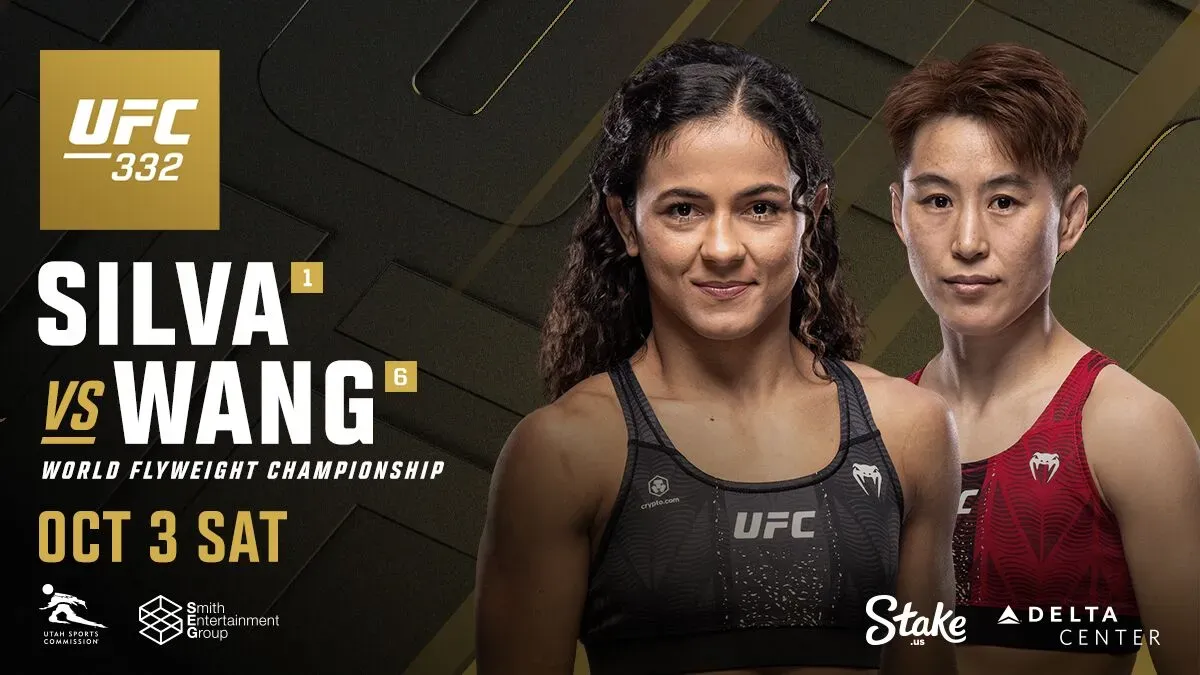
UFC 332 Preview: Natalia Silva vs Wang Cong, Figueiredo vs Talbott and Ones to Watch
Natalia Silva faces Wang Cong for the vacant flyweight title at UFC 332 in Salt Lake City, with Deiveson Figueiredo, Payton Talbott and several rising prospects also featuring.
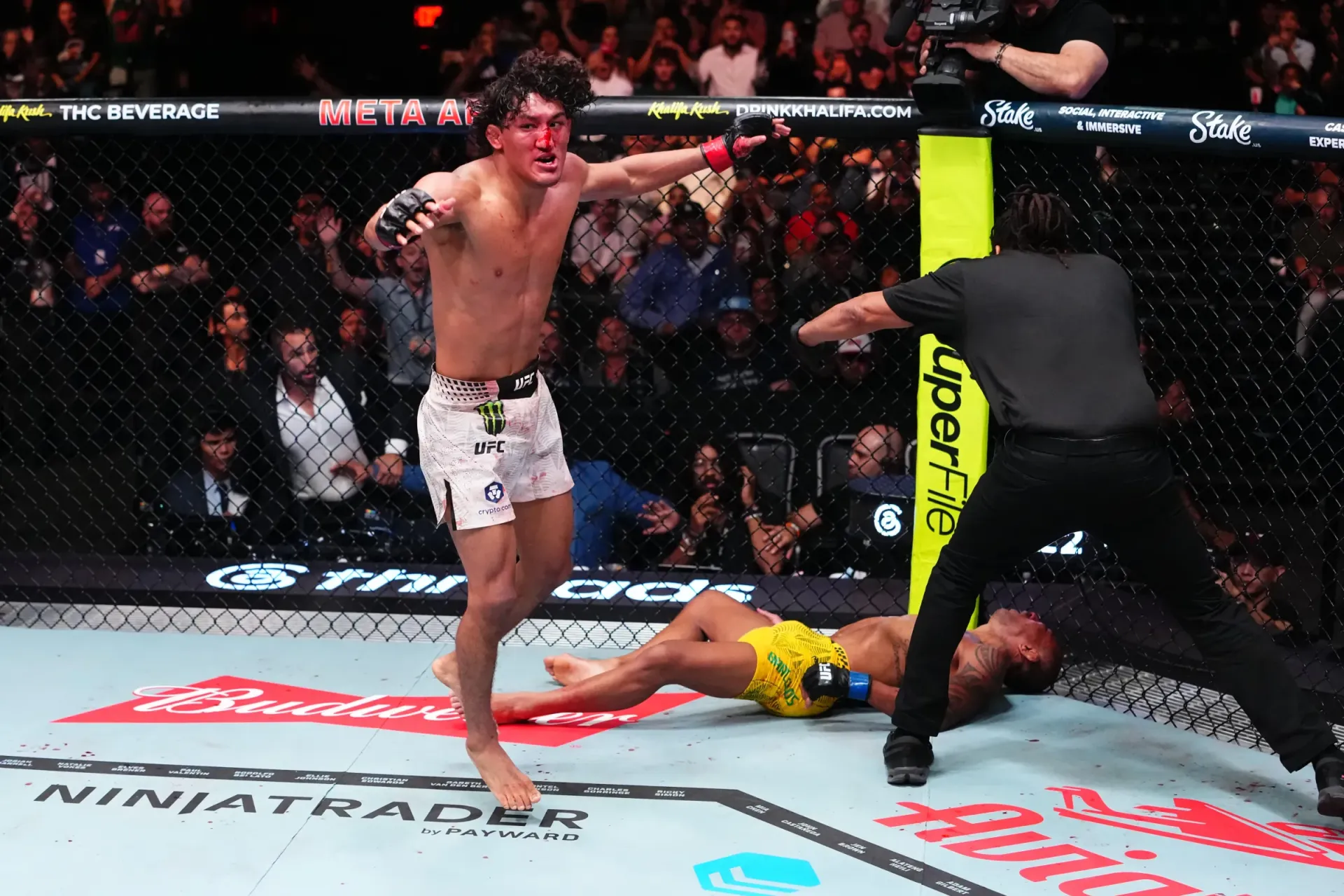
UFC Vegas 121 Results: Raúl Rosas Jr. Beats Raoni Barcelos in Scary TKO Loss
UFC Vegas 121 became an alarming picture when one half of the main event, Raoni Barcelos, was thrown into unconsciousness suddenly in the final round.
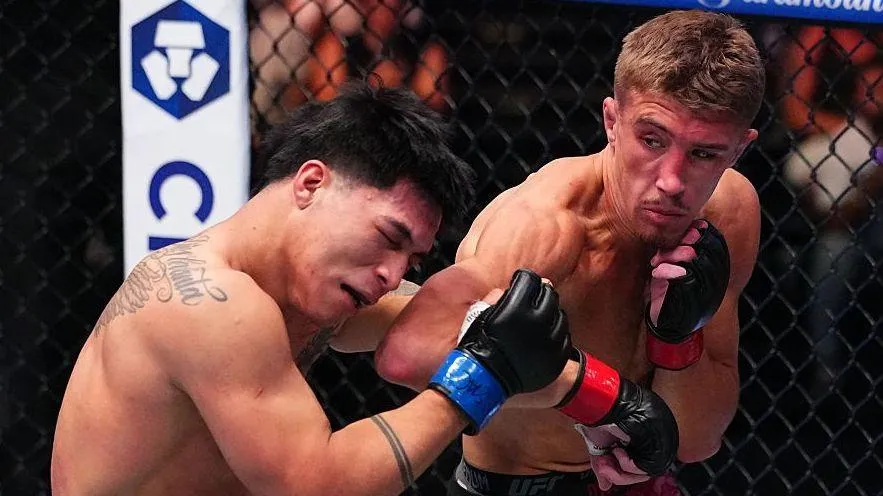
Callum Connor Secures UFC Contract After ‘License To Thrill’ Performance
Callum Connor endured the toughest test of his career against Piero Guaylupo before both men were awarded UFC contracts in Las Vegas.
Comments (0)
You must be logged in to post a comment.